The Cost Of A Footprint


The images to the left capture a quiet moment in time, where the land exists in balance and calm, untouched by human impact. The open fields, soft light, and absence of movement create a sense of peace that feels natural and fragile. Together, they suggest a world before environmental damage—a reminder of how serene and resilient nature can be when it is left undisturbed, and how easily this harmony could be lost.


This manually manipulated, burnt image disrupts the calm landscape by introducing damage and destruction directly into the frame. The torn, charred edges and visible flames suggest fire as both a physical force and a symbol of deforestation, cutting through the natural scene and erasing parts of it. The contrast between the remaining grassland and the burned void emphasizes loss, showing how human actions can fragment and consume environments that were once whole and peaceful.


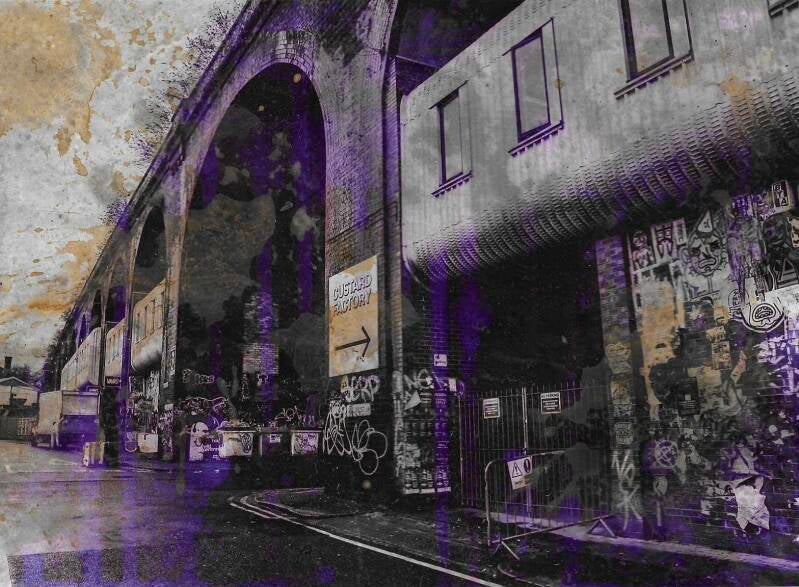
This series of chemically manipulated images uses texture, staining, and discoloration to mirror the effects of pollution on the environment. The corroded surfaces, murky tones, and chemical blotches resemble contamination, decay, and long-term exposure to toxins, transforming familiar urban structures into symbols of environmental neglect. By overlaying industrial architecture with marks that suggest chemical damage, the images blur the boundary between built and polluted environments, emphasizing how pollution seeps into landscapes over time and permanently alters them.


These landscapes have been chemically manipulated so that synthetic stains and spectral distortion bleed into the fields and tress echoing the visual language of toxic spills and environmental contamination. what once read as quite, pastoral nature becomes scarred - overwritten by traces of human interference that suggest pollution, habitat destruction, and the slow erasure of wildlife. This manipulation is permanent, embedded into the material of the image itself, mirroring the irreversible consequences of human actions on the natural world, where damage cannot simply be undone or washed away.


The work uses projection mapping to suggest that environmental damage is not distant—it is inscribed on the body. The branching patterns evoke both tree roots and blood vessels, visually merging ecosystems with human physiology. The morgue-style tag and clinical text hint at loss and mortality, framing ecological collapse as a death notice for nature and, by extension, for ourselves. Industrial graphics and bold red typography introduce urgency and aggression, contrasting with the softness of skin and hair. This tension underscores how extractive systems overwrite natural life. The subject’s steady gaze resists erasure, implying accountability and witness: humans are both perpetrators and victims.
Overall, the series argues that environmental harm is intimate and embodied. By projecting crisis onto a human face, it collapses the distance between viewer and issue, making ecological damage feel personal, unavoidable, and morally charged.


The image series functions as a confrontational visual manifesto, arguing that environmental degradation is not a passive event but a direct consequence of active human agency, as evidenced by the bold assertions that "Damage is Decision" and "Neglect is a Choice!". Through the ironic overlay of terms like "Sustainable," "Eco Friendly," and "Pristine" onto industrial landscapes and distorted portraits, the collection critiques the pervasive "Deceit" in corporate messaging while forcing the viewer to ask "At What Cost?" regarding modern progress. The series further personifies the environment as a victim of human violence, utilizing a toe tag on a portrait that lists the "Cause of Death" as "Humans" and featuring an urgent plea to "Stop poisoning home" to prevent the existential question of "What will remain of us?",,. Ultimately, while the work documents severe physical loss—such as an area that "lost 40% of trees in 10 years" and is now in a state of "AFTER"—it maintains a slim margin of hope by insisting that "Repair is Possible" and that "It’s Not Too Late" to change course because "Care is


These images present a striking commentary on the destruction of nature, contrasting serene yet desolate natural landscapes with the intrusive presence of discarded cigarette butts. The juxtaposition of barren trees, overgrown grasses, and wilted flowers with human debris symbolizes the persistent contamination of the environment by human negligence. The fusion of decaying flowers and cigarettes suggests how pollution becomes embedded in the ecosystem, eroding its vitality. The muted, desaturated tones and cold atmosphere evoke a sense of lifelessness and exhaustion, as if the landscape itself is suffocating under the weight of human impact. Through the delicate imagery of fragile flowers overshadowed by the durability of cigarette filters, these images reflect a post-natural world in which human absence is marked only by the enduring traces of waste. Together, they evoke a quiet but powerful message about the environmental consequences of everyday actions and the slow, steady destruction of the natural world.